
Sealed Concrete Flooring for Commercial Buildings:
Benefits, Costs, and Performance
Last Updated: June 2026
Sealed concrete flooring is one of the most practical flooring solutions for commercial buildings because it helps protect concrete surfaces from wear, moisture, stains, and daily traffic while reducing long-term maintenance costs. Businesses invest in sealed concrete flooring to improve floor durability, extend surface lifespan, and create cleaner, more professional-looking facilities.
What Is Sealed Concrete Flooring?
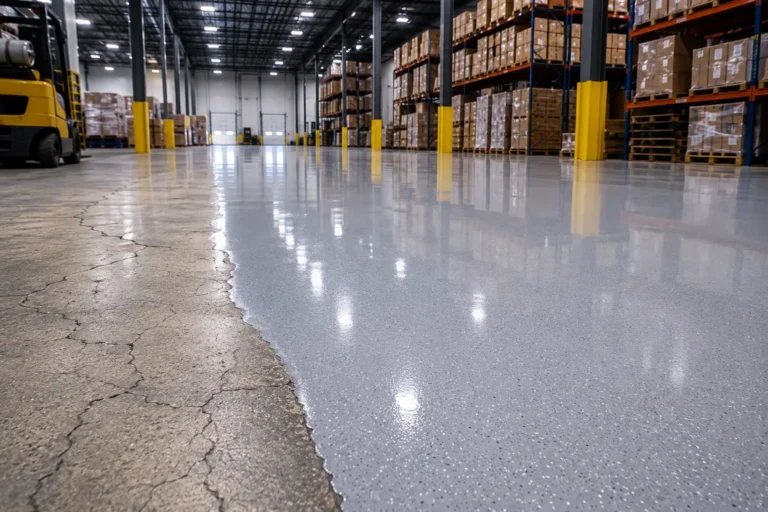
Sealed concrete flooring is concrete that has been treated with a protective sealer designed to reduce moisture penetration, surface deterioration, staining, and dust generation. The sealer creates a protective barrier that helps preserve the concrete while improving performance in commercial and industrial environments.
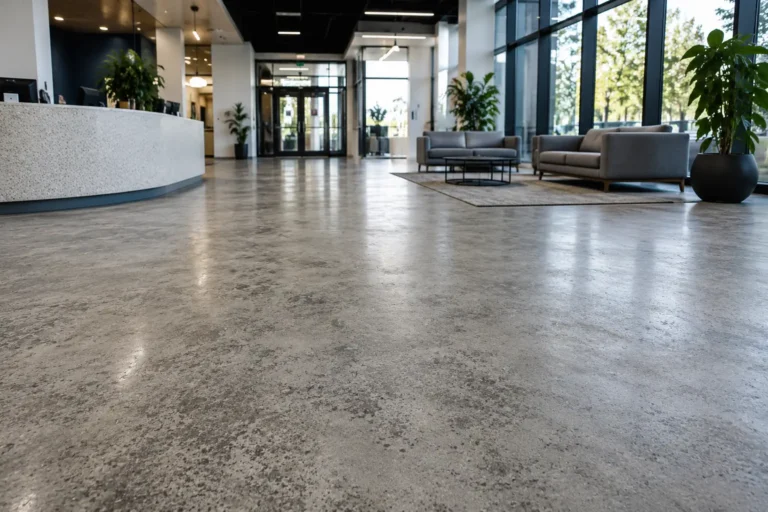
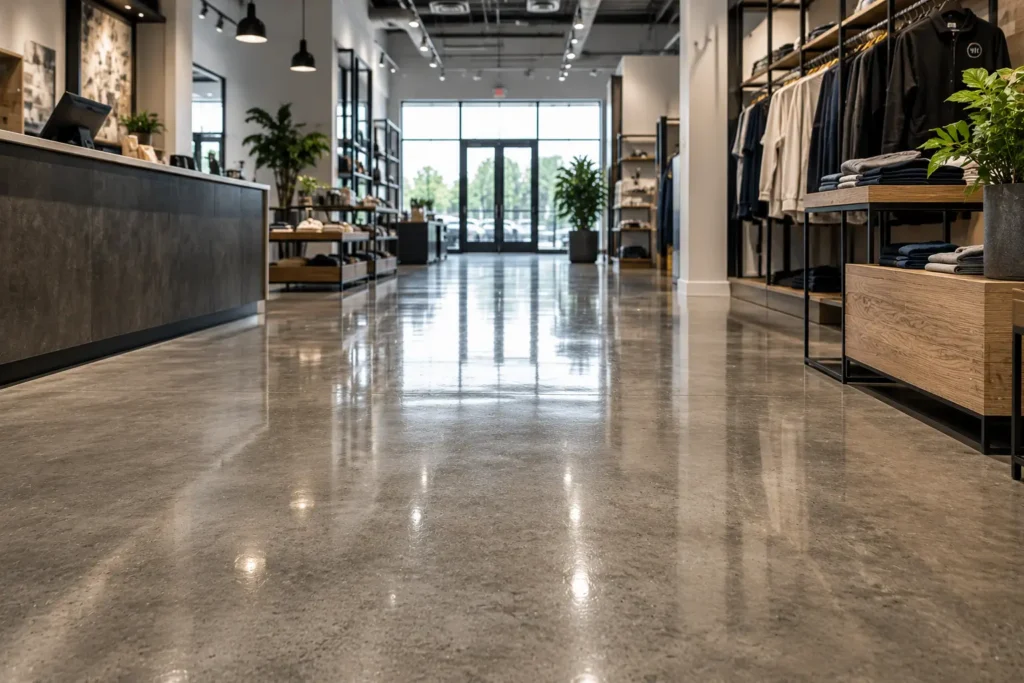
For warehouses, retail stores, manufacturing facilities, healthcare buildings, and office properties, sealed concrete flooring offers a balance of durability, appearance, and cost-effectiveness.
Key Takeaways
- Sealed concrete flooring helps preserve existing concrete surfaces.
- Professional sealing reduces long-term maintenance costs.
- Sealed floors are easier to clean and maintain.
- Commercial facilities benefit from improved durability and appearance.
- Concrete sealers help protect floors from moisture, stains, and heavy traffic.
What Is Sealed Concrete Flooring?
Sealed concrete flooring involves applying a protective sealer to a concrete surface to improve performance and longevity.
Depending on facility requirements, sealers may provide:
- Moisture protection
- Stain resistance
- Dust reduction
- Improved surface durability
- Enhanced appearance
Professional sealing systems are commonly used in commercial and industrial environments where concrete floors are exposed to constant traffic and operational demands.
Why Businesses Choose Sealed Concrete Flooring
Lower Maintenance Requirements
One of the biggest advantages of sealed concrete flooring is reduced maintenance.
Sealed floors are easier to:
- Sweep
- Mop
- Scrub
- Maintain regularly
The protective surface helps prevent dirt and contaminants from penetrating the concrete.
For facility managers, this often translates into lower cleaning costs and fewer maintenance concerns.
Better Protection Against Moisture
Moisture is one of the leading causes of concrete deterioration.
Professional concrete sealers help:
- Reduce moisture penetration
- Minimize surface damage
- Protect against staining
- Improve long-term floor performance
This is particularly valuable in warehouses, industrial facilities, and commercial buildings exposed to varying environmental conditions.
Reduced Dust Generation
Unsealed concrete naturally produces dust as the surface wears down.
This can create:
- Cleaning challenges
- Poor indoor air quality
- Additional maintenance requirements
Sealed concrete flooring helps lock down surface particles and significantly reduce dust generation.
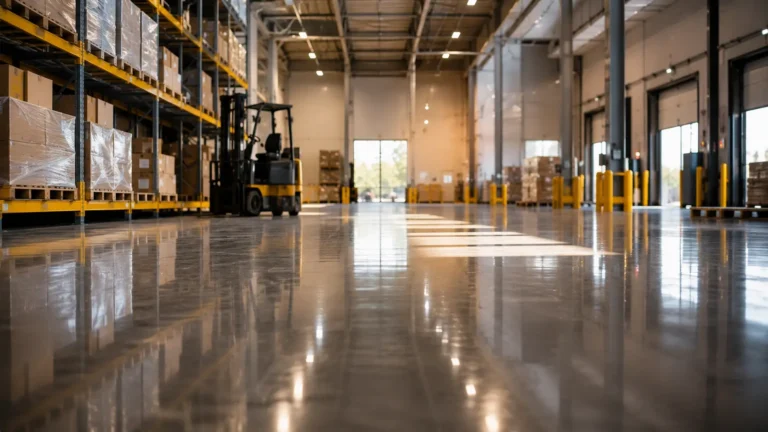
Warehouses and manufacturing facilities often experience noticeable improvements after sealing concrete floors.
Sealed Concrete Flooring Improves Durability
Commercial floors are exposed to:
- Foot traffic
- Forklift traffic
- Equipment movement
- Daily operational wear
Sealers help strengthen surface protection and reduce the rate of concrete deterioration.
Benefits include:
- Less surface wear
- Better stain resistance
- Longer floor lifespan
- Improved performance in high-traffic areas
Common Commercial Applications
Sealed concrete flooring is widely used in:
- Warehouses
- Distribution centers
- Manufacturing facilities
- Retail stores
- Healthcare facilities
- Schools and universities
- Commercial office buildings
- Automotive facilities
These environments benefit from durable flooring systems that support daily operations while remaining easy to maintain.
Sealed Concrete Flooring vs Unsealed Concrete
| Feature | Sealed Concrete Flooring | Unsealed Concrete |
|---|---|---|
| Moisture Resistance | High | Low |
| Dust Reduction | Excellent | Poor |
| Cleaning & Maintenance | Easier | More Difficult |
| Surface Protection | Better | Limited |
| Stain Resistance | Strong | Weak |
| Floor Lifespan | Longer | Shorter |
For most commercial buildings, sealed concrete provides superior long-term performance compared to untreated concrete.
Factors That Affect the Cost of Sealed Concrete Flooring
Several factors influence project costs:
Facility Size
Larger facilities require:
- More materials
- More labor
- Additional preparation work
Existing Floor Condition
Floors with:
- Cracks
- Surface damage
- Moisture issues
may require repairs before sealing.
Type of Sealer
Different sealers offer varying levels of:
- Protection
- Durability
- Chemical resistance
- Longevity
The right product depends on the building’s operational requirements.
Traffic Levels
Facilities with heavy forklift traffic or industrial activity may require higher-performance sealing systems.
Common Signs Your Concrete Floors Need Sealing
Your commercial floors may benefit from sealing if you notice any of the following warning signs:
Dust Accumulation
Excessive concrete dust can indicate that the surface is wearing down and losing protection.
Surface Staining
Oil, grease, chemicals, and spills that leave permanent marks may signal that the concrete is absorbing contaminants.
Moisture Penetration
Water pooling, dark spots, or moisture absorption can lead to long-term concrete deterioration if left untreated.
Fading Appearance
Concrete that looks dull, worn, or uneven may no longer have adequate surface protection.
Increased Maintenance Requirements
If floors require more frequent cleaning or are becoming harder to maintain, sealing may help restore performance.
Early Surface Wear
Minor cracking, surface erosion, chipping, or visible wear patterns can indicate the need for protective sealing.
Addressing these issues early can help extend floor life, improve appearance, and reduce future flooring restoration costs.

Why Professional Installation Matters
While concrete sealers may appear simple, proper application requires:
- Surface preparation
- Moisture testing
- Sealer selection
- Proper curing procedures
Professional installation helps ensure:
- Consistent coverage
- Better durability
- Maximum protection
- Longer service life
Poor application can reduce performance and shorten the lifespan of the sealer.
Conclusion
Sealed concrete flooring offers commercial buildings a practical way to protect concrete surfaces, reduce maintenance costs, and improve long-term floor performance. For warehouses, industrial facilities, retail stores, and office properties, professional sealing helps extend floor life while maintaining a cleaner and more durable environment. When properly installed and maintained, sealed concrete flooring remains one of the most cost-effective solutions for commercial floor protection.
Frequently Asked Questions
The lifespan depends on traffic levels, facility use, and maintenance practices. Professionally sealed concrete floors can provide years of protection before reapplication is needed.
Yes. Sealed concrete flooring is commonly used in warehouses because it helps reduce dust, improve durability, and protect against heavy traffic and daily wear.
Yes. Sealed floors are easier to clean and maintain, which often reduces labor costs and long-term maintenance expenses.
Yes. Professional sealing systems can help protect concrete surfaces exposed to forklifts, pallet jacks, and other industrial equipment.
In most cases, yes. Sealing existing concrete is significantly more cost-effective than installing many alternative flooring systems or replacing damaged floors.
The frequency depends on traffic levels, floor usage, and sealer type. High-traffic commercial facilities may require more frequent maintenance than lower-traffic environments.