
Seattle facilities need commercial floor care that stands up to a wet season: moisture on entrances, grit in the grout, and finishes that dull under steady foot traffic. The work is scheduled around your hours, and TCS Floors serves Seattle buildings as part of its nationwide coverage with night and weekend scheduling.
Below is what the city’s building mix means for your floors, which services fit them, and how to line up the work.
Health care sets the pace: the buildings and floors in Seattle
Look at the federal numbers and one group stands out. The Seattle metro area has 13,557 health care establishments, more than its 10,337 food and lodging establishments or its 10,161 retail establishments. In King County, 20 Medicare-registered hospitals add large, round-the-clock buildings to that picture.
That makes health care floors the first thing to plan for in a city like this. Corridors, waiting areas and procedure rooms each have a different surface and a different rhythm of use.
Clinics, offices and hospitals
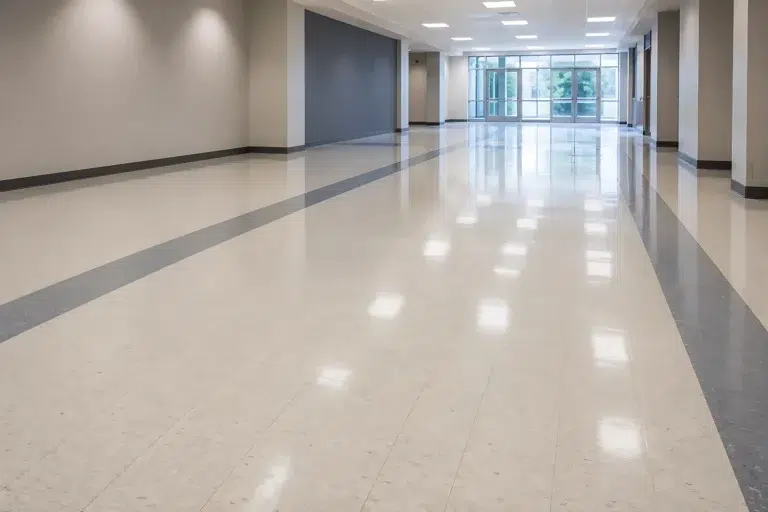
Most health care floors are resilient vinyl, VCT or sealed concrete. They get rolling loads all day, so a worn finish shows up as tracks and scuffs long before the surface itself fails. Recoating on a schedule is easier on the floor than stripping late.
Sections that must stay open need phased work. Close one wing or lane at a time and keep the route to the next one clear.
Floors near treatment areas also have to look clean to patients and visitors. A hazy or streaked finish in a lobby says something about the whole facility, whatever the quality of the care inside.
Restaurants, hotels and shops
The Seattle metro area counts 10,337 food and lodging establishments and 10,161 retail establishments, nearly the same number. Both groups face the same problem in a rainy city: water walked in at the door and carried across the floor.
A wet entrance wears the finish first. Busy dining rooms and sales floors also need burnishing to keep a consistent look through the dark months.
Schools and warehouses
King County has 529 operating public schools. Hallways are usually VCT, and gym and cafeteria floors take their own kind of wear. Strip and wax belongs in breaks and weekends, when no one else is in the way.
The metro area also has 297 warehousing and storage establishments. Their concrete floors collect tracked-in moisture and grit from loading doors, so scrubbing and sealing matter there.
Floor services Seattle buildings use
Water and grit do most of the damage. Moisture lifts dirt into the finish, and grit scratches it. The right service depends on how far the damage has gone.
- Scrub and recoat. The routine reset for VCT and sealed floors that look dull but are still sound.
- Burnishing. Restores gloss to finished floors between recoats.
- VCT strip and wax. The full refresh when old finish has built up or worn through. Read more on commercial VCT strip and wax.
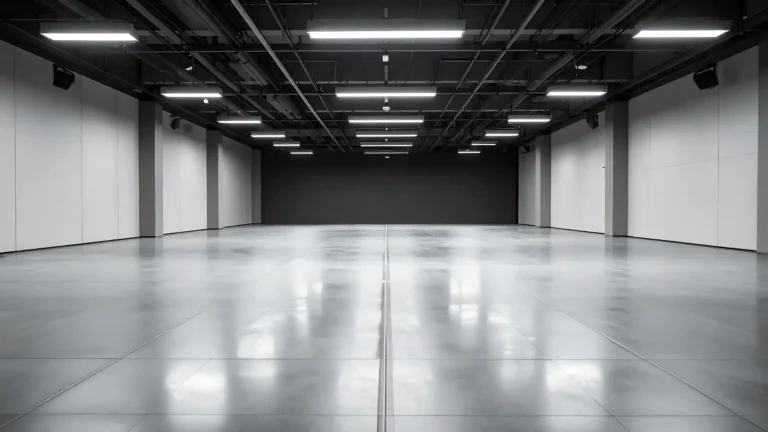
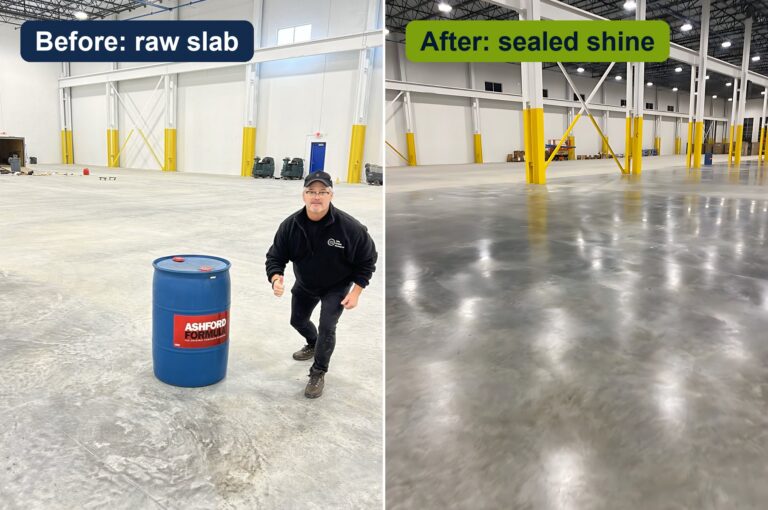
- Concrete scrubbing and sealing. Cleans and protects floors that see forklifts, carts and wet boots.
- Polishing. Gives bare concrete a hard, even surface. See commercial concrete polishing.
Our commercial floor cleaning services page covers how these fit together.
Hard floor care in a damp climate
Hard floors in a wet city need a plan for water as well as dirt. A good program covers the entrance zone more often than the rest of the building. It also treats corners and edges, where water sits and old finish builds up.
If you are looking at commercial floor polishing, start with the condition of the slab. A floor with sealer failures or stains may need other work first, and a contractor should say so.
Matting at doors helps, but it does not replace floor care. Mats catch part of the water and grit, and the rest still reaches the floor. Plan on both, and treat the zone just past the mat as the first place to look for wear.
How to choose a commercial floor contractor in Seattle
Use criteria you can check, and skip the ranking lists.
- Does the quote separate floor types and areas, or give one number for everything?
- Does the contractor ask for photos, square footage and your open hours before pricing?
- Can the contractor work nights and weekends without extra disruption to your staff?
- Will the contractor treat a small test area first, so you can approve the look?
- Does the contractor offer a maintenance plan, not only a one-time job?
Also ask whether the contractor works on commercial buildings only. Residential habits, such as short visits and general products, rarely fit a facility with set hours and heavy use.
Ask for a written order of work for any building with more than one floor type. It should say which area comes first, what is moved out of the way and who signs off at the end. That one page prevents most of the confusion on the night itself.
Scheduling around operations in Seattle
Health care and food service rarely have a quiet day. Retail has quiet nights, and schools have quiet weekends. Match the work to the quiet you already have.
TCS Floors offers night and weekend scheduling for Seattle facilities. Where a building runs all hours, work is divided into zones so each one is finished and open before the next begins. Give us the closing time and the reopening time for each area, and the plan builds from that.
Wet seasons also change the order of work. Schedule entrances and the routes that lead from them last, so they are not tracked over right after the job. If the weather turns, a short delay beats a finish that is walked on while it settles.
Planning the work in your building
For a quote, send the square footage, photos of each floor type, the floor materials if you know them, and the hours the space is available. Include the entrance and any problem spots.
Then ask for a customized maintenance program. In a wet city it usually puts the entrances and main routes on a tighter cycle than the back rooms, so effort goes where the wear is.
TCS Floors is commercial only, works nationwide and has 33+ years of experience. For other regions, see commercial floor care by state.
Sources for the figures in this guide
Establishment counts come from the U.S. Census Bureau, County Business Patterns 2023 (metro area counts).
School counts come from the National Center for Education Statistics, Common Core of Data 2023, through the Urban Institute Education Data Portal. Hospital counts come from the Centers for Medicare & Medicaid Services, Hospital General Information, dataset updated July 22, 2026.
Frequently asked questions
What commercial floor care services do Seattle facilities use most?
Scrub and recoat, burnishing, VCT strip and wax, concrete scrubbing and sealing, and polishing. Wet entrances and heavy foot traffic make regular recoating and burnishing the most common routine.
Is commercial floor polishing right for every floor?
No. Polishing suits concrete that is sound and clean. Floors with failed sealer, deep stains or damage may need other work first, so ask for the floor to be assessed from photos before you commit.
How do I choose a hard floor care provider in Seattle?
Ask for a quote that separates floor types, a test area, a clear schedule and a maintenance plan. Confirm the contractor works on commercial buildings only.
Can floor stripping and waxing be done outside business hours?
Yes. TCS Floors schedules night and weekend work, so strip and wax can happen when the building is empty.
How should I plan floor care for a building that never closes?
Divide the building into zones, keep one route open, and finish each zone before starting the next. Tell the contractor which areas can close and for how long.
What should I send to get a floor cleaning quote in Seattle?
Send the square footage, photos, floor types, and the hours when work can happen. A customized maintenance program can follow the first job.