
How to Care for Commercial Flooring to Extend
Floor Life and Performance
Commercial flooring takes constant wear from foot traffic, equipment, and daily operations. Without proper care, floors can quickly lose their appearance, become unsafe, and require costly repairs or replacement.
Knowing how to care for commercial flooring is essential for maintaining performance, extending floor life, and controlling long-term maintenance costs.
This guide covers practical strategies to help businesses protect their floors and keep them in top condition.
Key Takeaways
- Regular maintenance prevents premature floor damage
- Surface-specific care is critical for performance
- Preventative care reduces long-term costs
- Professional services improve consistency and results
- Structured programs ensure long-term floor protection
Why Proper Commercial Floor Care Matters
Commercial floors are exposed to heavy traffic and daily use. Without proper maintenance, surfaces can degrade quickly, leading to:
- Increased repair and replacement costs
- Safety risks such as slips or uneven surfaces
- Poor appearance that impacts customer perception
- Reduced durability and performance
A proactive approach helps prevent these issues before they become costly problems.
Develop a Consistent Maintenance Routine
Daily cleaning removes dust, dirt, moisture, and debris before they can damage the floor surface. High-traffic commercial facilities should establish a cleaning schedule based on foot traffic and the type of flooring installed.
Regular floor maintenance should be complemented by consistent day-to-day cleaning. Dirt, sand, and other abrasive debris can gradually wear down commercial flooring, especially in high-traffic areas. Partnering with a provider that offers recurring janitorial service helps remove contaminants between scheduled floor maintenance visits, reducing surface wear, improving safety, and extending the overall life of your flooring investment.
Daily Floor Care Best Practices
Daily cleaning is the foundation of commercial floor maintenance.
Recommended Daily Tasks
- Dust mopping or sweeping to remove debris
- Damp mopping with appropriate cleaning solutions
- Immediate cleanup of spills to prevent damage
- Entrance mat maintenance to reduce dirt buildup
Why It Matters
Removing dirt and debris daily prevents abrasion and surface wear.
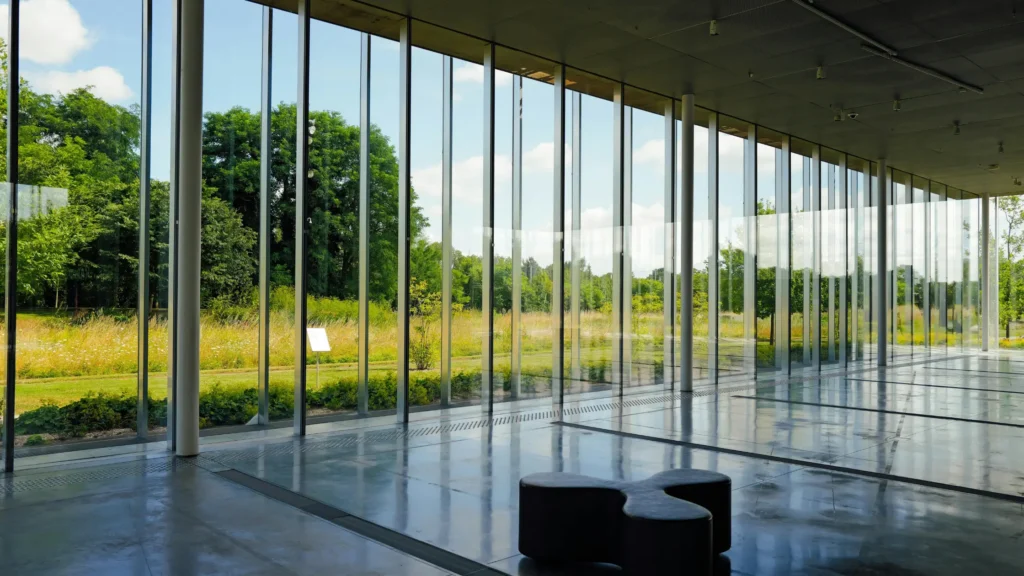
Protecting commercial flooring starts before people even step inside. A properly sealed entrance helps reduce the amount of dirt, moisture, and debris tracked into the building, minimizing wear on interior floor surfaces. Investing in a professional front door replacement can improve weather protection, energy efficiency, and the overall first impression of your facility while supporting a cleaner indoor environment.
Weekly and Periodic Maintenance
In addition to daily cleaning, floors require deeper maintenance.
Weekly or Monthly Tasks
- Machine scrubbing for deeper cleaning
- Burnishing (for VCT floors) to maintain shine
- Inspection for damage or wear
Periodic Services
- Deep scrub and recoat
- Strip and wax (for VCT)
- Concrete polishing or sealing
- Tile and grout deep cleaning
These services restore the floor and extend its lifespan.
Surface-Specific Floor Care
Different flooring types require different care methods.
VCT Flooring
- Requires strip and wax cycles
- Regular burnishing maintains appearance
- Protective coating prevents wear
Concrete Flooring
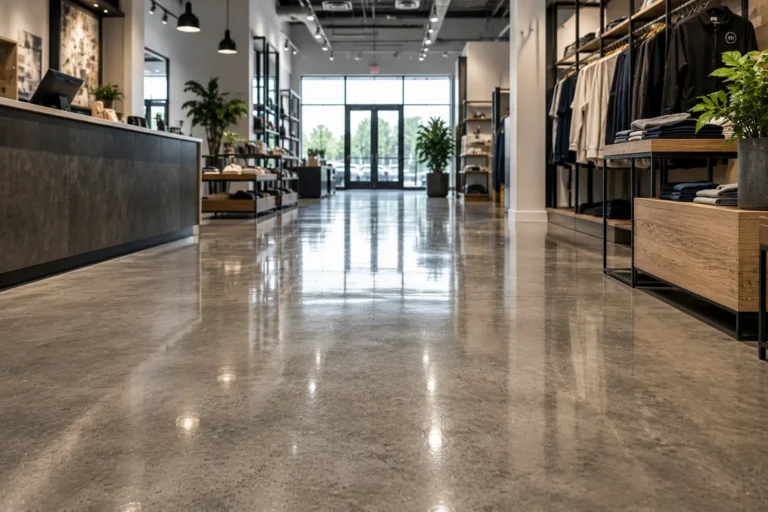
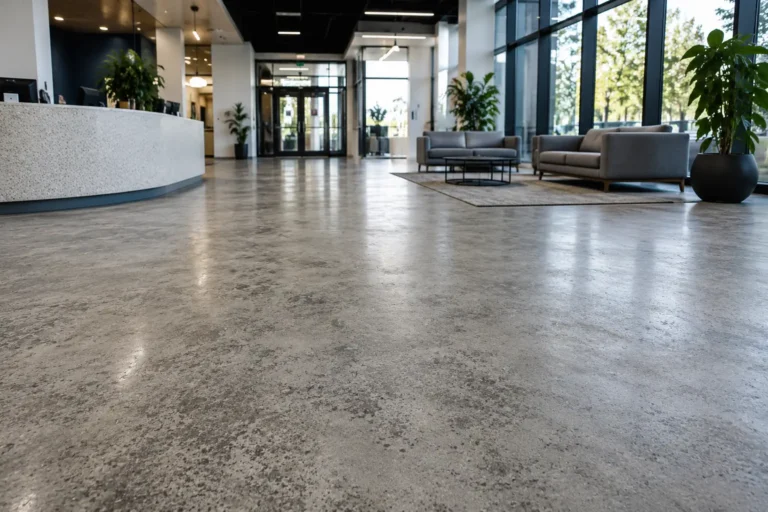
- Requires cleaning, polishing, or sealing
- Should not be waxed
- Durable but needs proper surface treatment
Tile and Grout
- Requires deep cleaning and sealing
- Grout needs protection from staining
Epoxy Flooring
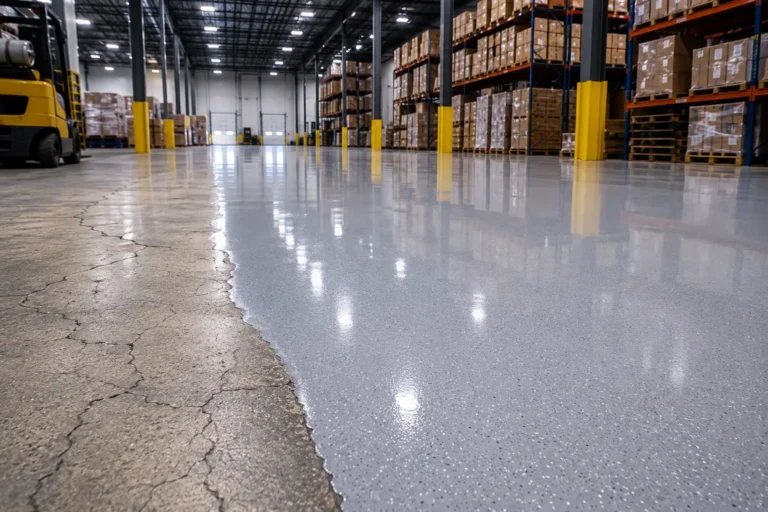
- Requires routine cleaning and occasional recoating
- Avoid abrasive cleaning methods
Using the correct method for each surface prevents damage and improves performance.
Common Mistakes to Avoid
Improper floor care can lead to costly damage.
Avoid These Mistakes
- Using the wrong cleaning products
- Skipping routine maintenance
- Applying wax to non-VCT surfaces
- Ignoring early signs of wear
- Relying only on basic cleaning without deep maintenance
How Maintenance Programs Improve Results
One-time cleaning is not enough for long-term performance.
Benefits of a Maintenance Program
- Consistent cleaning and care
- Scheduled deep services
- Reduced long-term costs
- Extended floor lifespan
- Improved appearance and safety
Maintenance programs are especially important for high-traffic facilities.
Signs Your Floors Need Professional Care
- Dull or worn appearance
- Staining or buildup
- Increased cleaning difficulty
- Visible surface damage
- Loss of shine or protection
Addressing these early helps prevent more serious issues.
Conclusion
Proper commercial floor care is essential for maintaining durability, safety, and appearance over time. By combining daily cleaning, surface-specific maintenance, and scheduled deep services, businesses can significantly extend the life of their flooring.
Investing in a structured floor care approach not only protects your floors but also helps reduce long-term costs and improve overall facility performance.
Frequently Asked Questions
Maintenance frequency depends on traffic and floor type, but daily cleaning and periodic deep services are recommended.
No. Each surface requires specific cleaning and maintenance methods.
Consistent cleaning combined with scheduled maintenance services provides the best results.
For high-traffic environments, professional services help maintain performance and reduce long-term costs.