
Choosing the Best Concrete Grinder for Commercial Flooring
Concrete grinders remove old coatings, smooth uneven areas, and prepare concrete for a new finish. The right machine depends on the floor size, surface condition, and project goal.
Commercial flooring teams may use several types of grinders on one project. Large machines cover open areas, while smaller grinders handle edges, corners, and spaces around equipment.
What Are Concrete Grinders Used For?
Professional concrete grinding equipment can help:
- Remove epoxy, paint, glue, and old coatings
- Smooth high spots and uneven joints
- Prepare concrete for sealing or coating
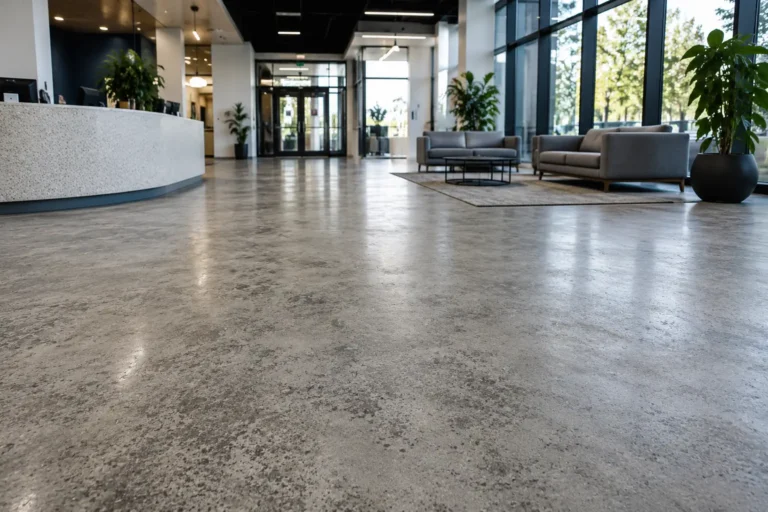
- Create a clean base for concrete polishing
- Remove surface stains and light damage
- Reach edges, corners, and confined spaces
- Improve bonding for overlays and floor coatings
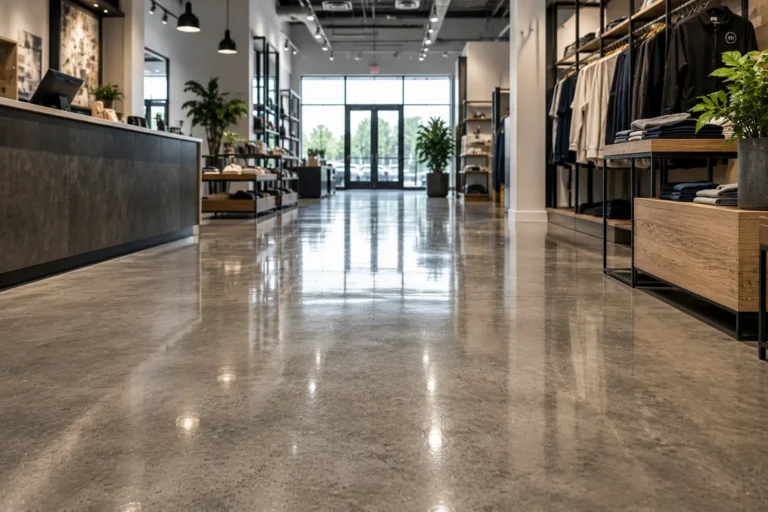
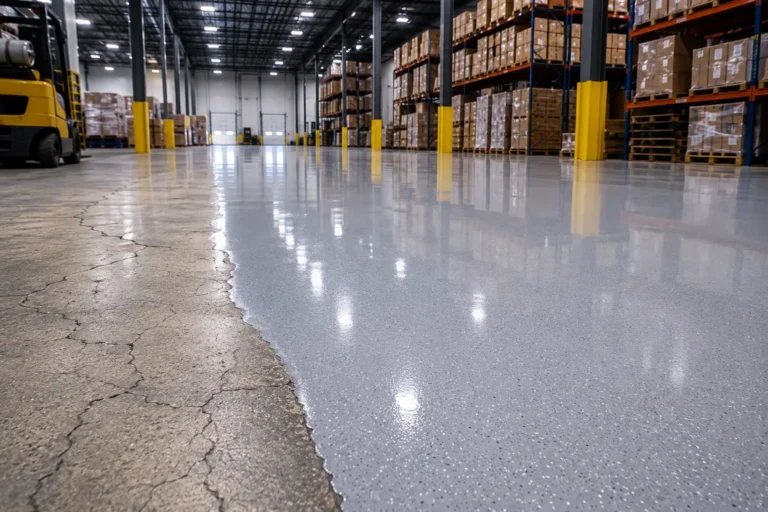
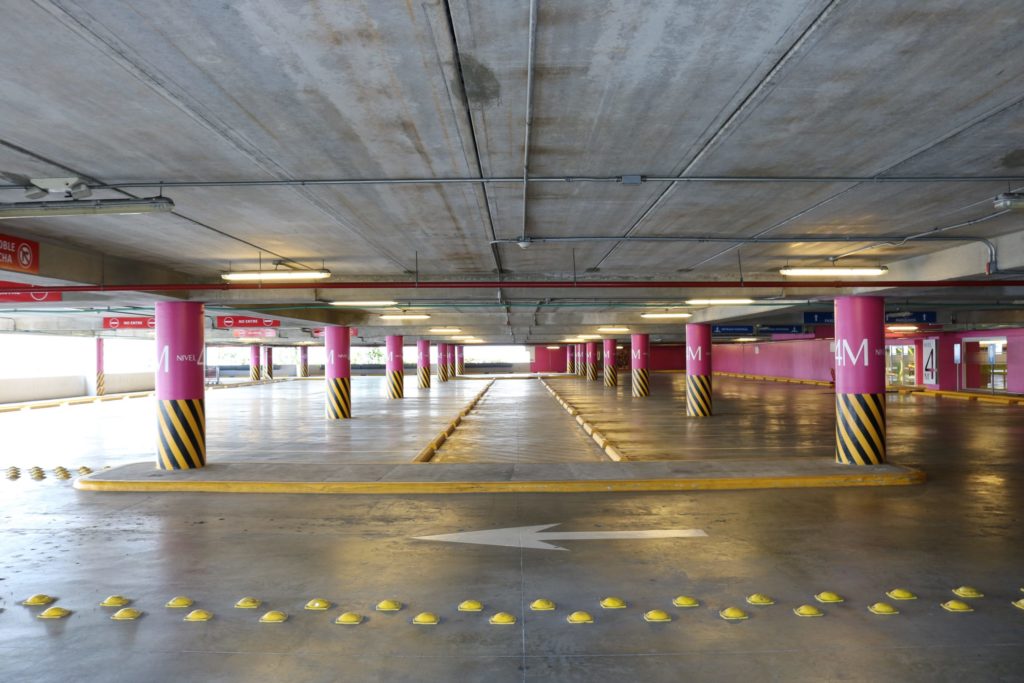
Grinding is commonly used in warehouses, retail stores, parking structures, commercial kitchens, manufacturing plants, and other large facilities.
Types of Concrete Grinders
Handheld Concrete Grinders
Handheld grinders are compact tools used for detailed work. They are best suited to edges, corners, stairs, and areas that larger machines cannot reach.
Common uses include:
- Grinding along walls and columns
- Removing coatings from small areas
- Smoothing minor surface defects
- Preparing concrete around drains and fixtures
- Finishing edges after larger grinding equipment passes
Handheld grinders offer control and flexibility, but they are not efficient for large open floors.
Walk-Behind Concrete Grinders
Walk-behind grinders are commonly used for small to medium-sized commercial projects. They provide more grinding power and cover more surface area than handheld tools.
These machines are suitable for:
- Removing old floor coatings
- Smoothing uneven concrete
- Preparing floors for epoxy or sealers
- Grinding warehouse aisles and retail spaces
- Restoring worn concrete surfaces
Different grinding heads and tooling can be used based on the hardness of the concrete and the material being removed.
Ride-On Concrete Grinders
Ride-on grinders are designed for large commercial and industrial floors. Their wider grinding path helps crews complete open areas more efficiently.
They are often used in:
- Warehouses and distribution centers
- Manufacturing plants
- Parking structures
- Airports and transportation facilities
- Large retail and institutional buildings
Ride-on equipment is useful for major coating-removal and surface-preparation projects. Smaller machines are still needed near walls, corners, and fixed equipment.
Concrete Grinder Comparison
| Grinder type | Best for | Main advantage | Limitation |
|---|---|---|---|
| Handheld | Edges, corners, stairs, and small repairs | Precise control in tight spaces | Slow for large areas |
| Walk-behind | Small and medium commercial floors | Good balance of power and control | Requires several passes on larger projects |
| Ride-on | Warehouses and large industrial floors | Covers open areas efficiently | Cannot reach tight spaces or edges |
How Professionals Select Grinding Equipment
Floor Size and Layout
Large open floors may require ride-on grinding equipment. Walk-behind and handheld machines are better suited to smaller rooms, narrow aisles, and detailed areas.
Existing Floor Material
Paint, epoxy, adhesive, and other coatings require different grinding tools. The thickness and condition of the existing material also affect equipment selection.
Concrete Hardness
Concrete varies in hardness. Professionals select the appropriate diamond tooling to grind the surface without causing unnecessary damage.
Desired Finish
The equipment setup depends on what comes next. A floor being prepared for epoxy may require a different surface than one being polished or sealed.
Dust-Control Requirements
Professional grinding should include industrial dust-collection equipment. This captures much of the airborne dust created during the process and helps keep the work area cleaner.
Grinding Versus Polishing Concrete
Concrete grinding and concrete polishing are related, but they serve different purposes.
Concrete grinding removes coatings, smooths defects, and prepares the surface for another flooring system.
Concrete polishing uses progressively finer tools to refine the floor and create the desired level of sheen.
A project may begin with grinding and continue through several polishing stages. Learn more about our commercial concrete floor grinding services and concrete floor polishing services.
Why Professional Concrete Grinding Matters
Using the wrong equipment can leave an uneven surface or prevent a new coating from bonding properly. Professional contractors evaluate the slab before selecting the grinder, tooling, and number of passes required.
Experienced concrete grinding teams also coordinate work around facility schedules. This is important for businesses that need to limit downtime and keep operations moving.
Industries That Use Commercial Concrete Grinding
TCS Floors provides concrete grinding for:
- Warehouses and distribution centers
- Manufacturing and industrial facilities
- Retail stores and shopping centers
- Schools and institutional buildings
- Commercial kitchens
- Parking structures
- Offices and multi-location businesses
Choose the Right Concrete Grinding Team
The best grinder is not one specific machine. It is the equipment that fits the floor condition, project size, and intended finish.
TCS Floors uses commercial grinding equipment and dust-control systems for projects across the United States. Our team can inspect your concrete and recommend the right preparation process for polishing, sealing, coatings, or overlays.
Request a quote to discuss your commercial concrete grinding project.