


Commercial Concrete Sealing Contractors Across the USA
Get concrete with less dust, fewer stains and easier cleaning. We scrub and seal after hours, nationwide.
- Penetrating
- Film-forming
- Nights, weekends
Trusted by facility teams at




What is the difference between penetrating and film-forming concrete sealers?
A penetrating sealer soaks into the slab and leaves the look unchanged. A film-forming sealer sits on top and adds sheen and a wearing layer. Penetrating suits floors you want to stay bare. Film-forming suits floors that need stain and wear protection. We pick after evaluating your floor.
- Penetrating
- Soaks in, no film
- Film-forming
- Acrylic, epoxy or urethane
- Pick by
- Traffic, spills and look
Five Signs It Is Time to Seal Your Concrete Floor
Unsealed concrete takes in oil, water and grit. These signs show the slab needs cover.
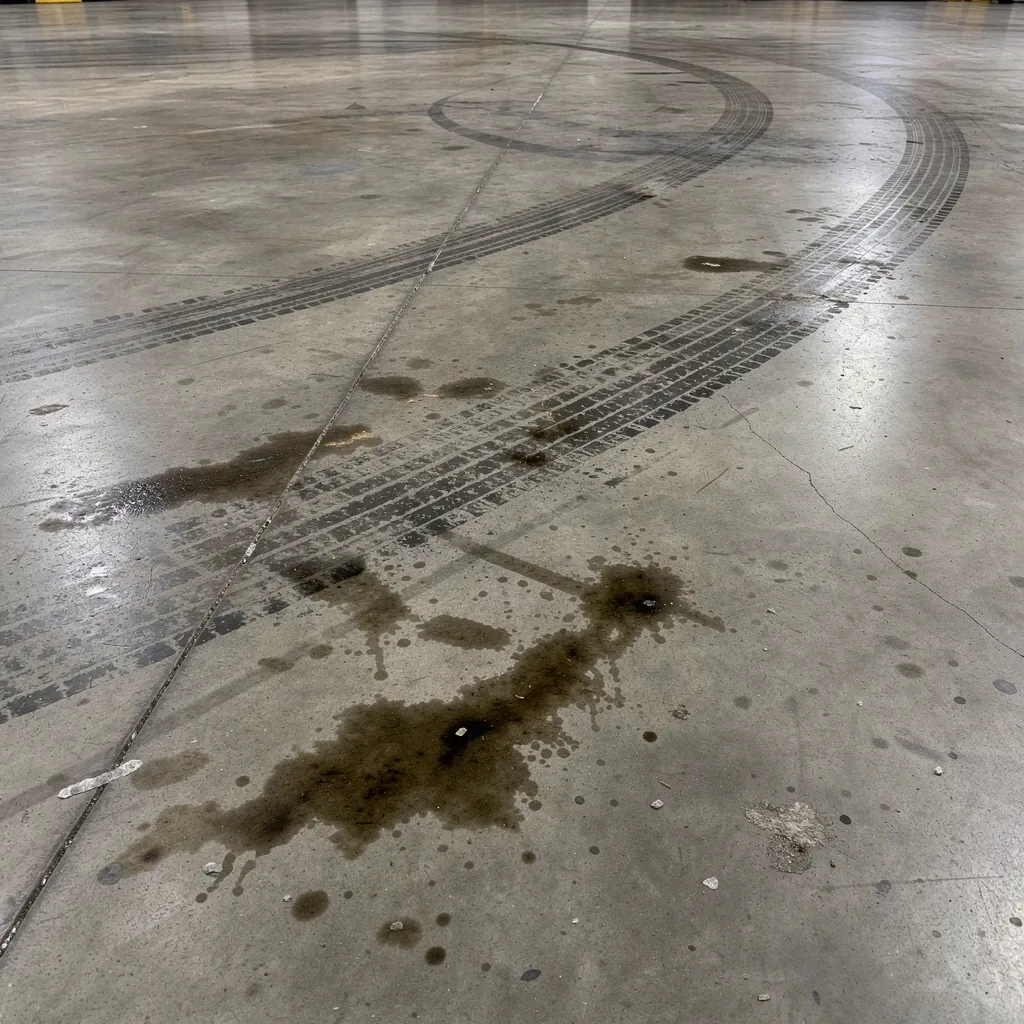 Spills leave a dark ring behind
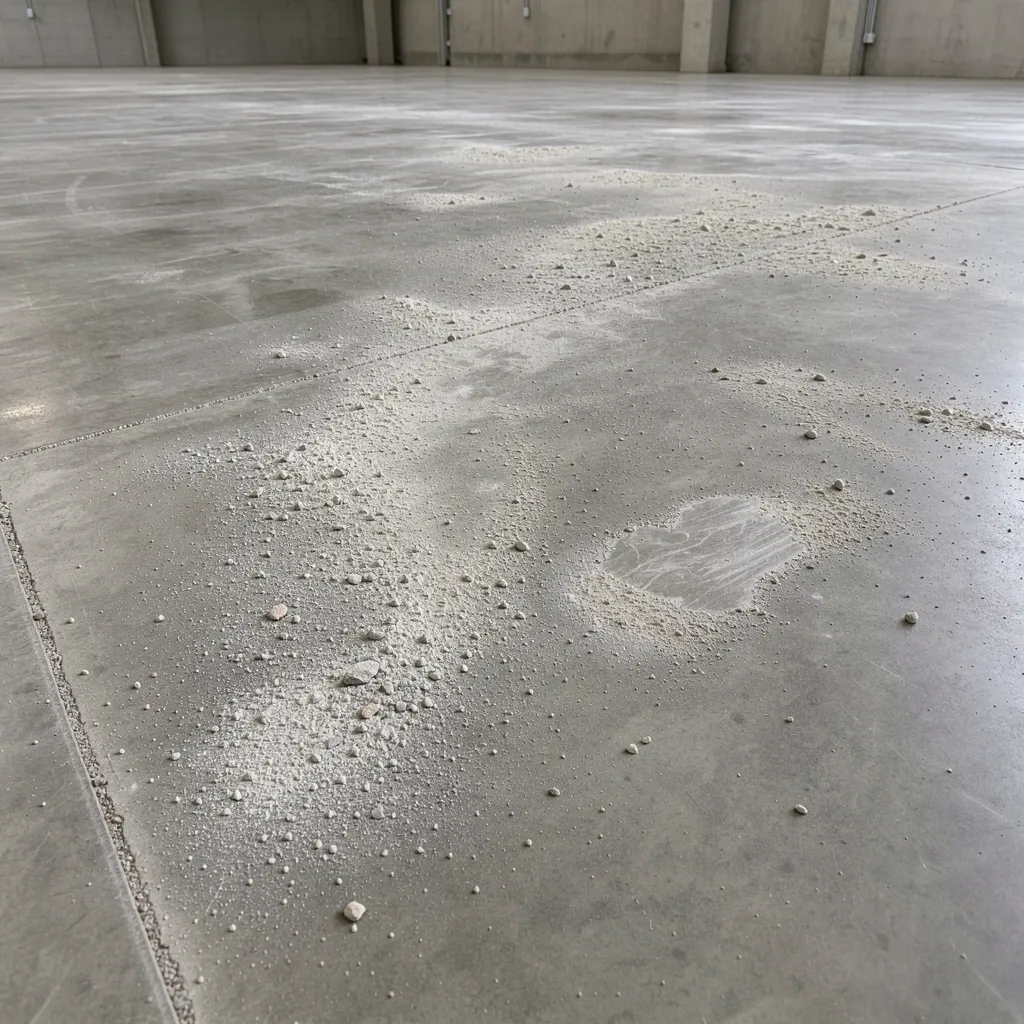 White dust on boots and boxes
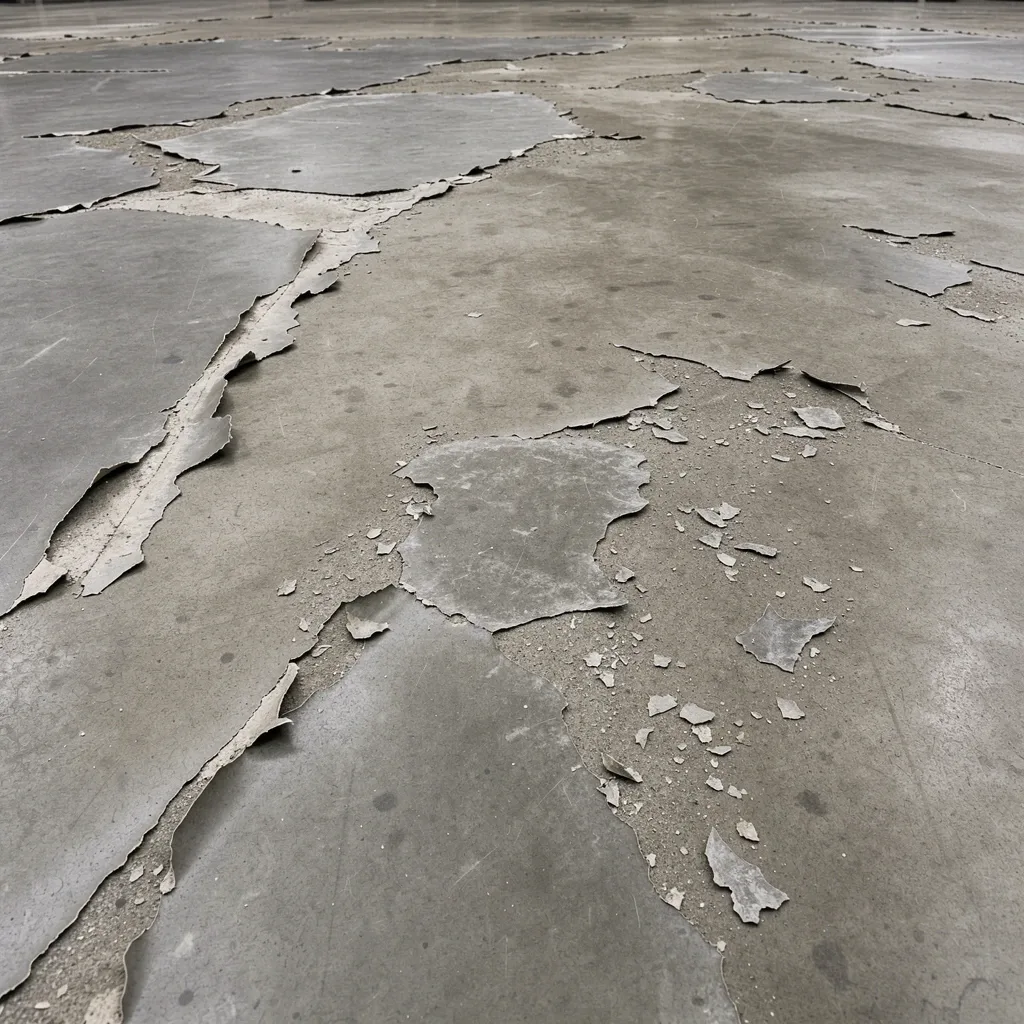 The last coating is peeling away
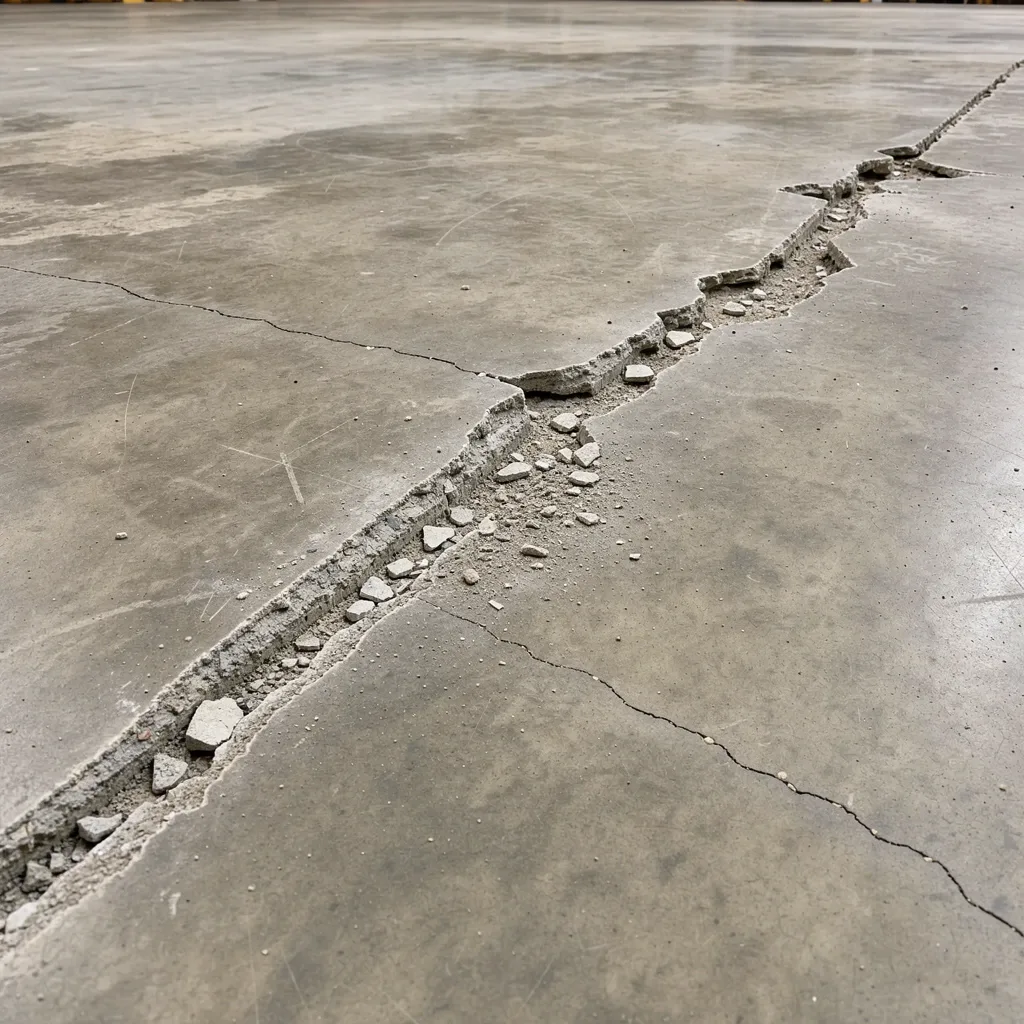 Joints crumble where wheels cross
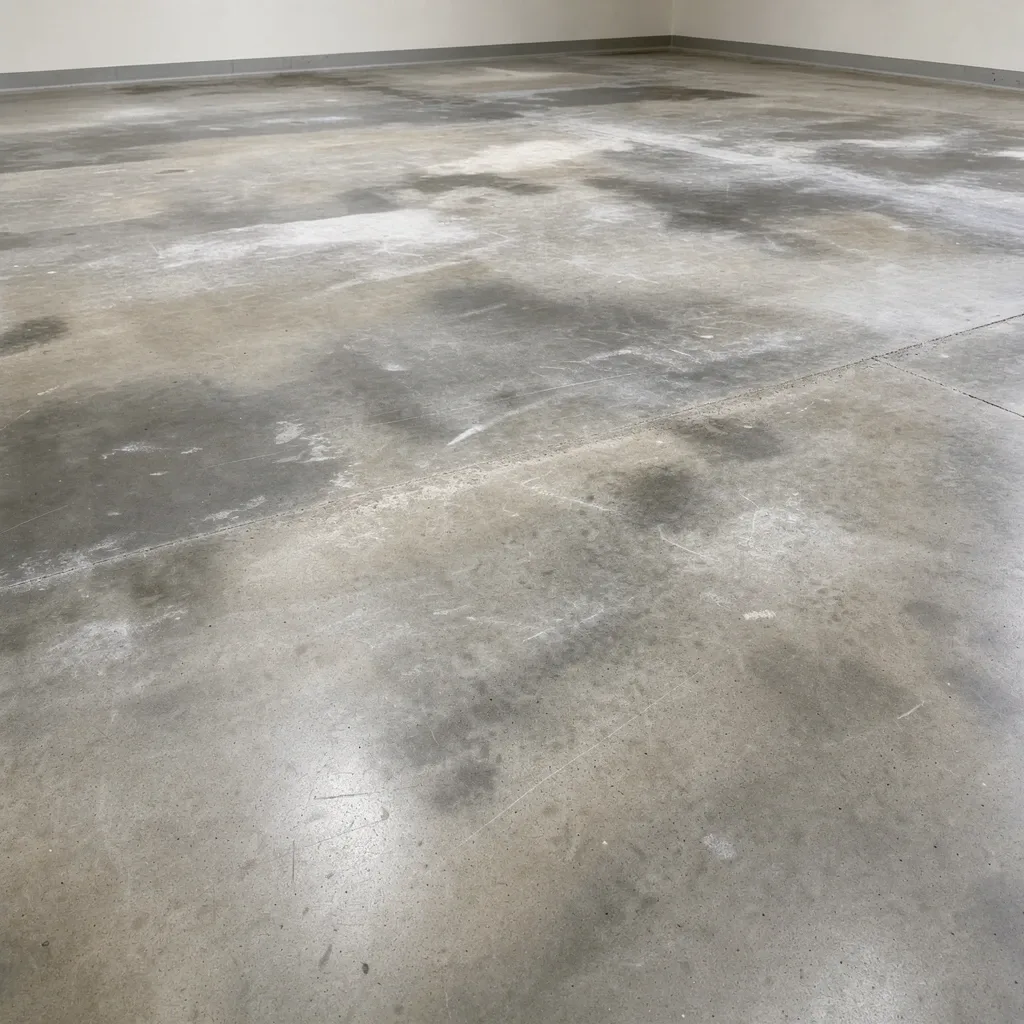 Chalky, dull concrete in the aisles
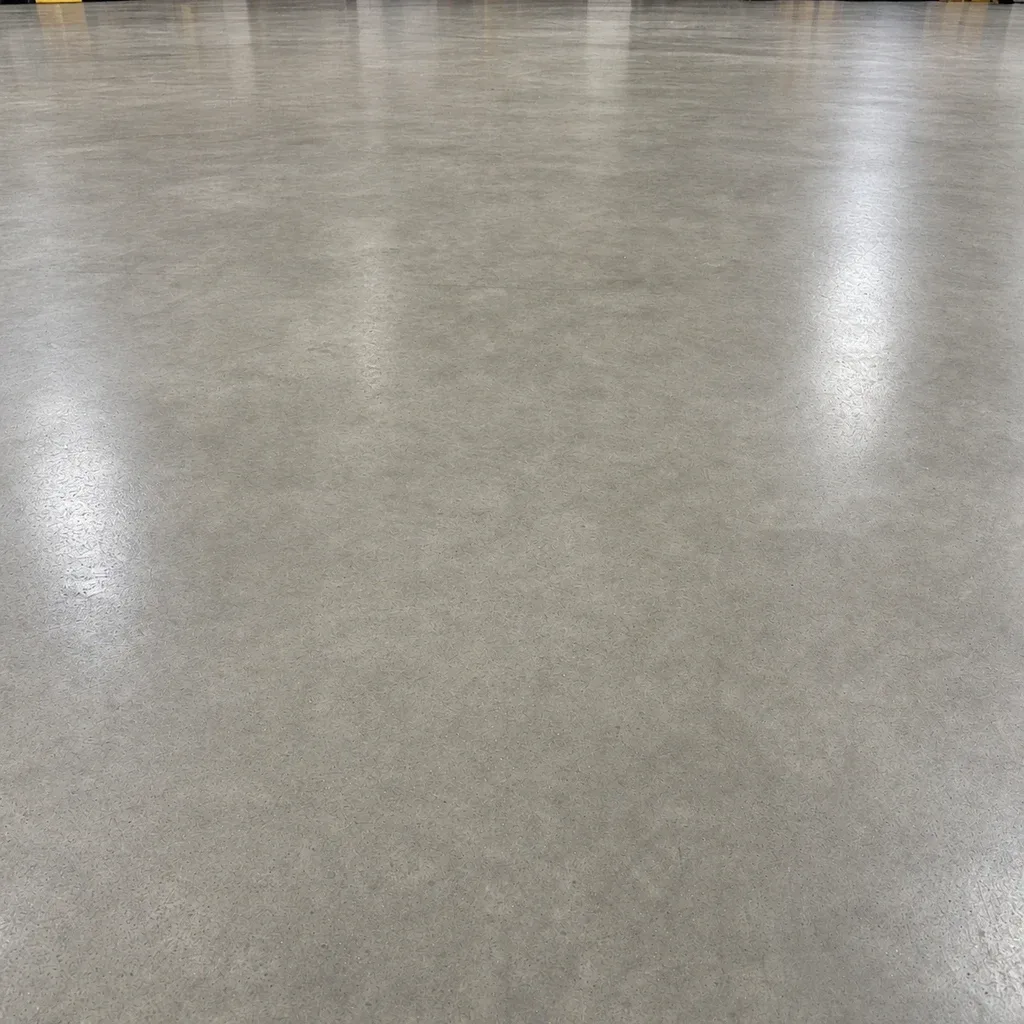
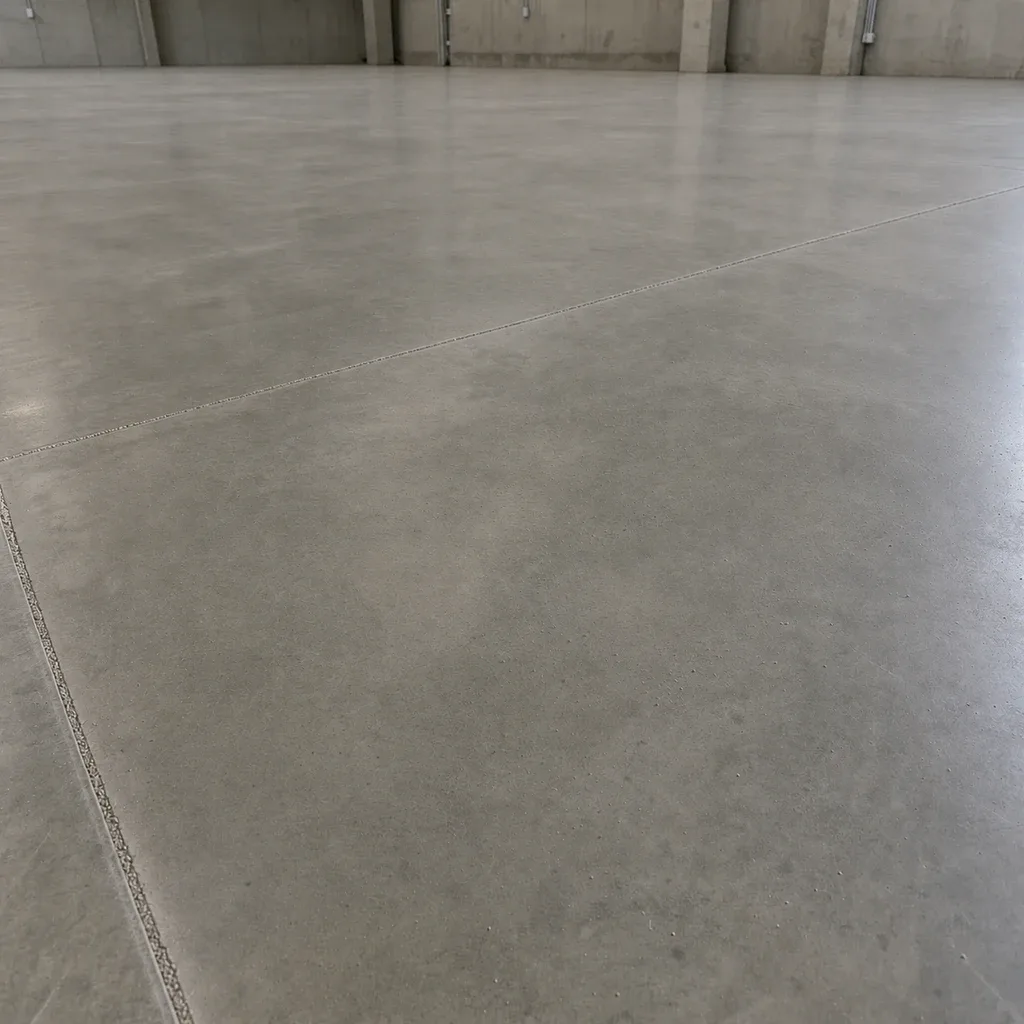
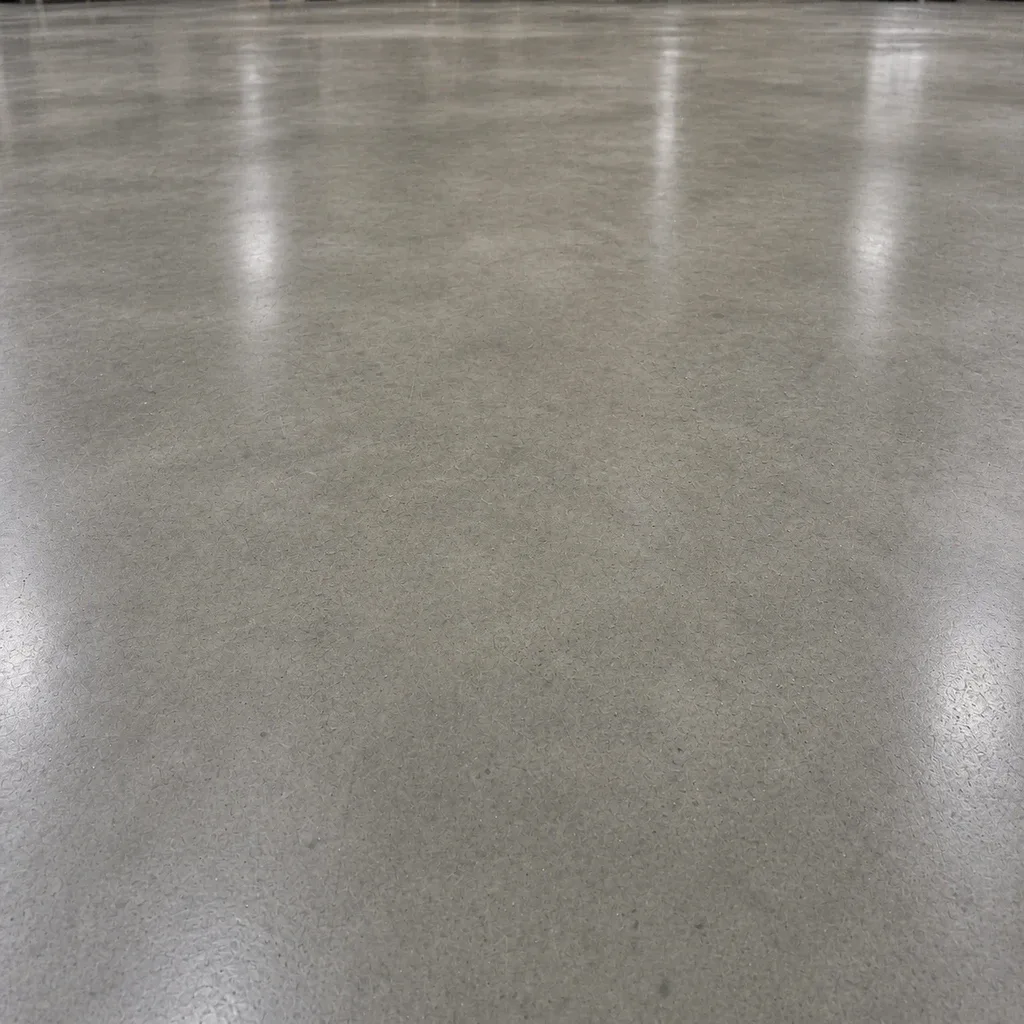
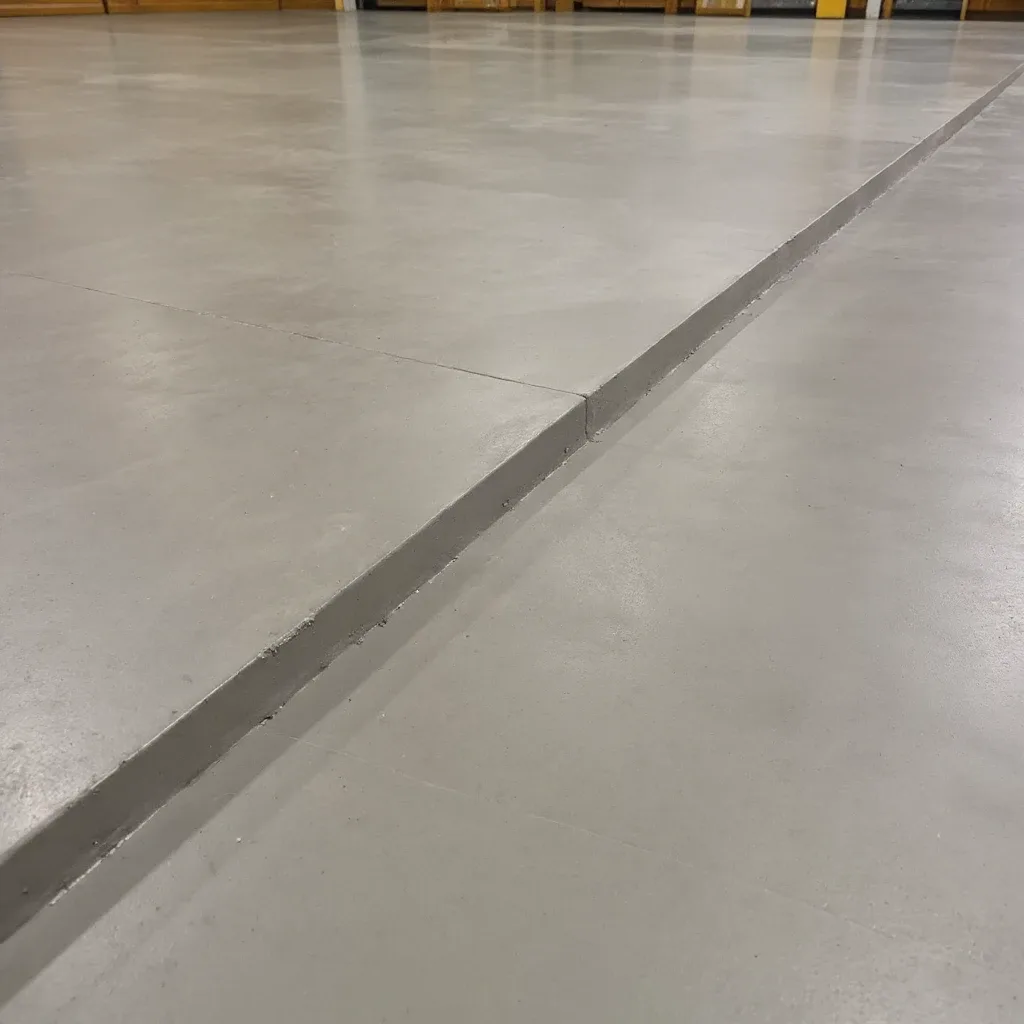
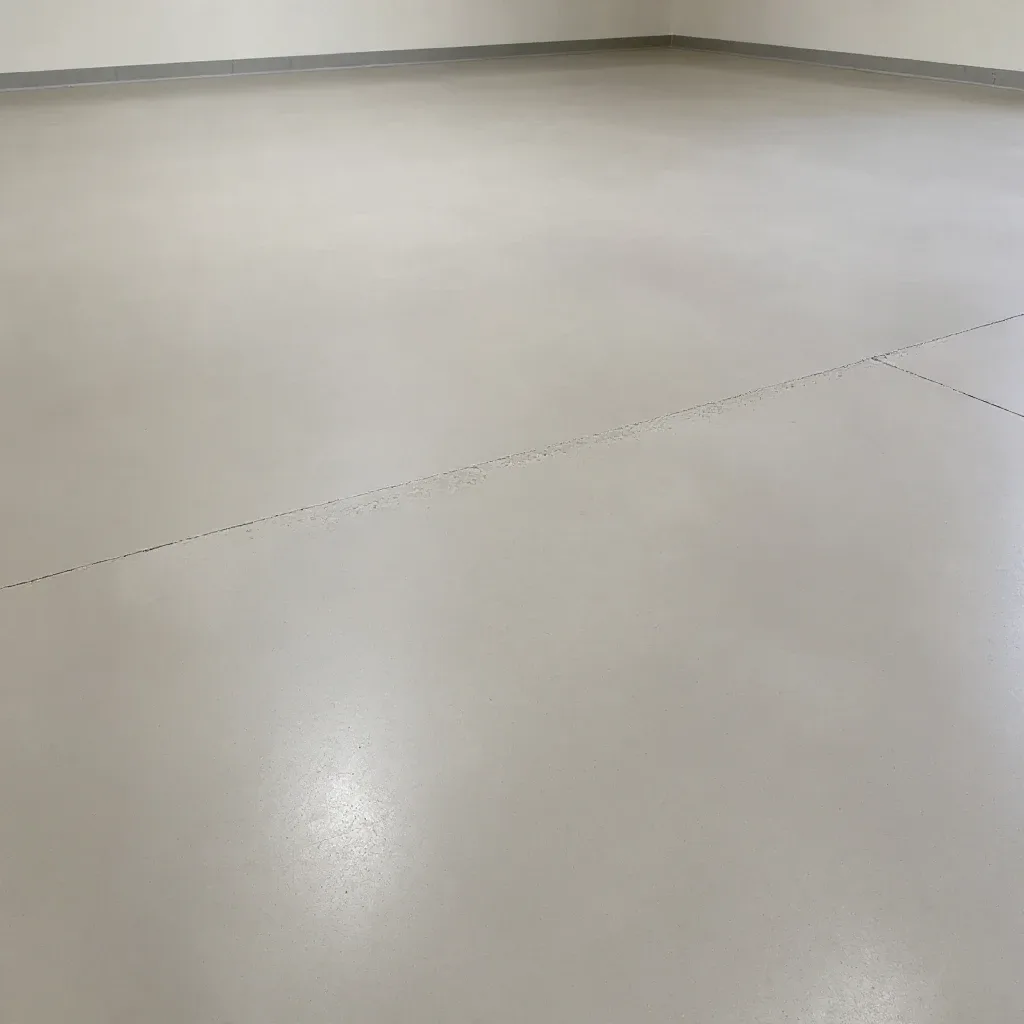
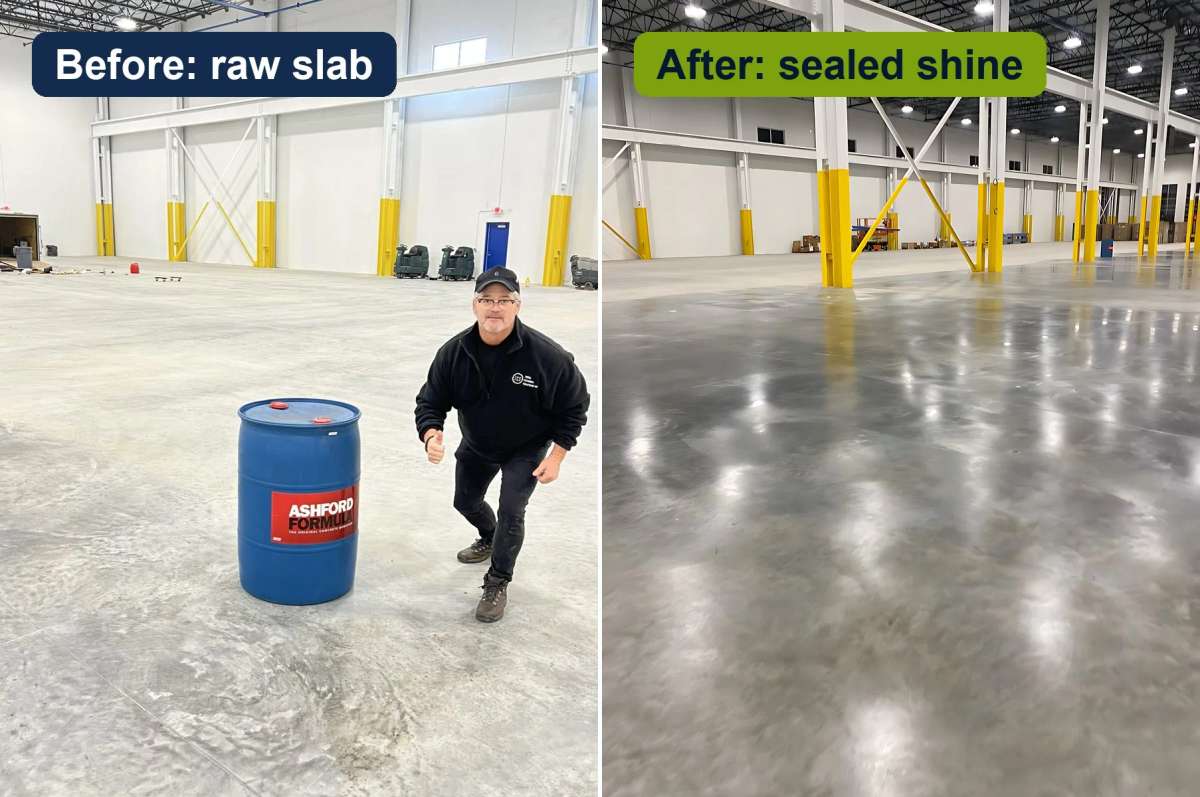
Hover a photoTap a photo to see the same floor after service.
From dirty slab to sealed floor
Evaluate
We check the slab for oil, old sealer, cracks and moisture.
Scrub deep
Autoscrubbers and degreaser lift grime, tire marks and old film.
Repair
We fill cracks and joints and let the slab dry.
Seal
The chosen sealer goes on in even coats at the maker's rate.
Cure and recoat plan
The area stays closed for the maker's cure time. We set a recoat schedule.
What Commercial Concrete Sealing Does
Bare concrete soaks up water, oil and spills, and it sheds dust as it wears. A sealer closes the surface, so spills sit on top and come off with routine cleaning.
What changes on a sealed floor
- Spills and oil stay on the surface instead of soaking in
- Less concrete dust on racks, stock and equipment
- Routine scrubbing takes less effort
- Tire marks lift more easily
Which sealer
Lighter traffic in stores, offices and schools usually takes an acrylic sealer. Warehouses and plants with forklifts and chemicals need an epoxy or urethane sealer.
A floor that sheds dust but must stay bare can be densified instead. See concrete dustproofing.
Sealing specs
- Machines
- This work calls for autoscrubbers, hand tools, rollers and low-pressure sprayers. We set the method after we see your floor.
- Grit or pad sequence
- Scrub pads and brushes for cleaning. Light grinding only where the old film must come off.
- Chemistry and finish
- Penetrating silicate or siliconate, or acrylic, epoxy or urethane film-forming sealer.
- Dust or slip control
- Closing the surface cuts dusting. Add traction additive in wet areas.
- Return to service
- Set for each project, per the sealer maker's data sheet.
- Work hours
- Nights, weekends or phased areas.
Source: Dayton Superior guide to liquid densifiers (silicate, siliconate and lithium categories); sealer maker data sheets for dry and cure times.
- 204,000sq ft scrubbed and sealed, Palestine, TX (2023)
- 68,000sq ft scrubbed and sealed, Tyler, TX (2024)
- 26,000sq ft scrubbed and sealed, Bartlett, IL (2024)
Source: TCS job records, 2022 to 2026
Trusted by Leading Commercial Organizations Nationwide
For more than 33 years, TCS Floors Inc. has cared for commercial floors on thousands of jobs nationwide. Our crews handle commercial floor care, VCT strip and wax, concrete polishing, concrete floor cleaning and nationwide floor maintenance services.
Retailers, healthcare facilities, warehouses, schools, government agencies, office buildings and industrial properties trust us with their floors. We work at night and on weekends, so your doors stay open.





















Logos shown represent organizations and facilities that have trusted TCS Floors Inc. for commercial floor care services.
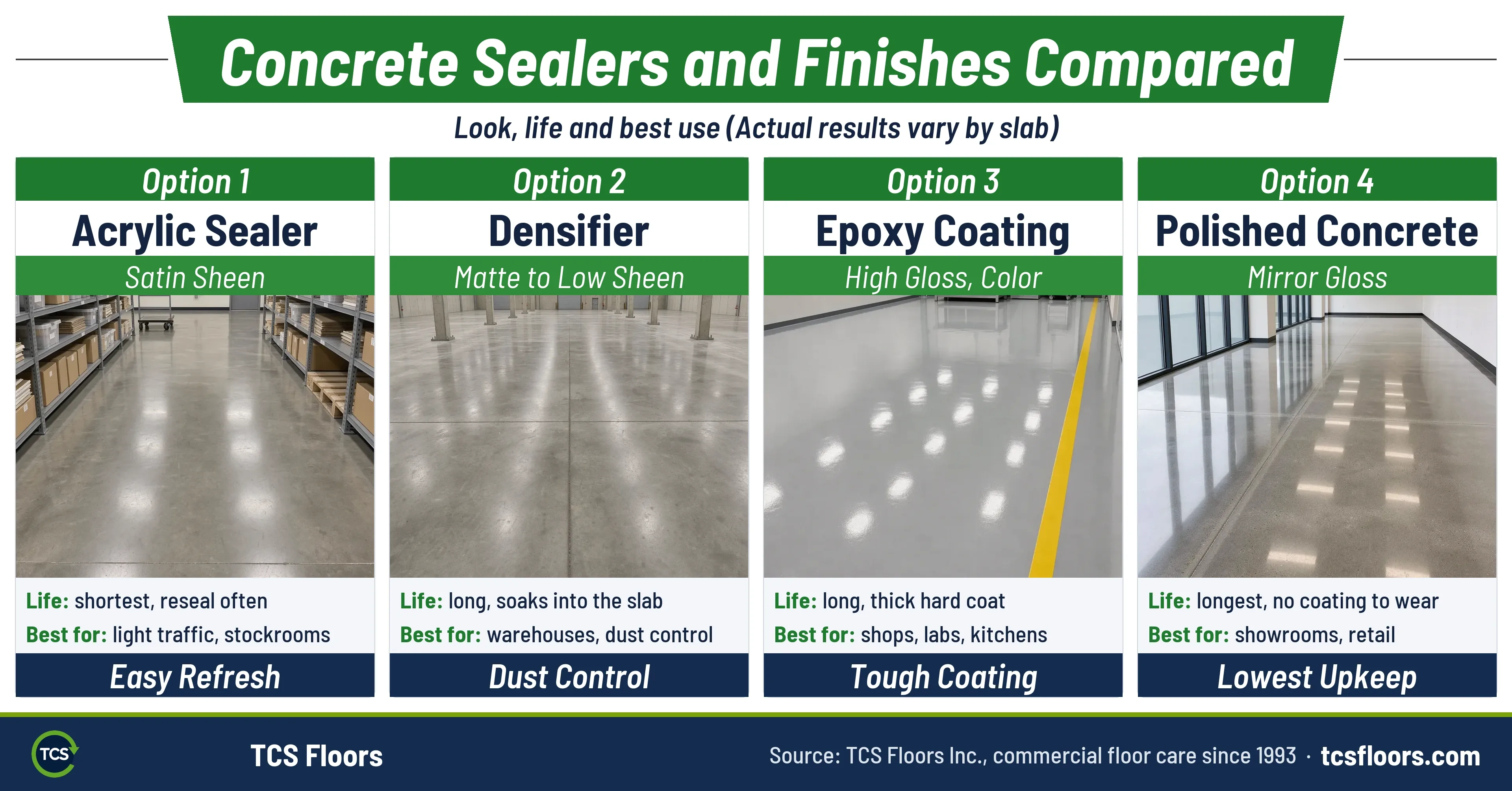
Concrete Sealers and Finishes Compared
Each finish looks and wears in its own way. See which one fits your traffic, then we confirm it after a floor review.
What clients say about our concrete cleaning
“Our concrete floor has just been brought to life! Great shine and all the paint, oil and skid marks have been removed. Great job!”
What does concrete floor sealing cost?
What moves the price
- Floor size and layout
- What is on the slab: old sealer, coating, paint
- Stains, oil and cracks to clean or repair
- Sealer type: penetrating, acrylic, epoxy, urethane
- Access: open hours and number of sites
Send this for a fast quote
- Square feet and the floor today
- Photos of the worst areas
- Hours the space can be closed
- Number of sites, if more than one
Concrete sealing questions
How do I know if my concrete needs sealing?
Water soaks in instead of beading, dust shows on racks, or oil and tire marks stay. Those signs mean the surface is open. A quick water test and photos tell us more.
Which sealer suits a warehouse with forklifts?
Usually an epoxy or urethane film. Acrylic wears faster under wheels. We choose after seeing the traffic and the chemicals.
Can you seal a floor that was sealed before?
Yes, if the old film is clean and bonded. A failed or waxy film comes off first. We test a patch before the full floor.
How long before we can use a sealed floor?
It depends on the sealer. The maker's data sheet sets dry and cure times, and we plan the closure with you before work starts.
What does a sealing plan include after the job?
Routine scrubbing and a recoat schedule marked by wear lanes. We can include both in a maintenance program.
Custom pricing for multi-site and single-site facilities
A No-Cost Floor Review, Then One Price You Approve
Tell us your floor types, square footage and opening hours. We review them at no cost and send a written scope and price for each site before any work starts.
- No-cost floor review
- Written price per site, before work starts
- Crews work nights and weekends
- One contact for every location