
Industrial floors face constant wear from forklifts, pallet jacks, machinery, foot traffic, dust, oil, grease, and production residue. Cleaning them effectively requires the correct equipment, cleaning method, safety controls, and maintenance schedule.
This guide explains how to clean an industrial floor in 10 practical steps. The correct process will depend on the floor material, coating, contamination level, drainage, and operational requirements of the facility.
For large facilities, heavily soiled floors, or projects requiring industrial equipment, professional industrial floor cleaning services may provide safer, faster, and more consistent results.
1. Inspect the Floor and Identify the Surface
Before cleaning begins, identify the floor surface and its current condition. Industrial facilities may have bare concrete, sealed concrete, polished concrete, epoxy coatings, VCT, ceramic tile, or other protective systems.
Look for oil, grease, tire marks, dust, adhesives, chemical residue, damaged coatings, cracks, spalling, and standing moisture. The condition of the floor determines which equipment, cleaning agents, and level of agitation are appropriate.
2. Secure the Work Area
Create a safe work zone before moving equipment or applying cleaning products. Use warning signs, cones, barriers, or temporary closures to keep employees and equipment away from wet or active cleaning areas.
Coordinate with facility managers before moving machinery, inventory, shelving, cables, or other operational equipment. Cleaning should be scheduled to minimize downtime and avoid interfering with production or warehouse traffic.
3. Remove Loose Dirt and Debris
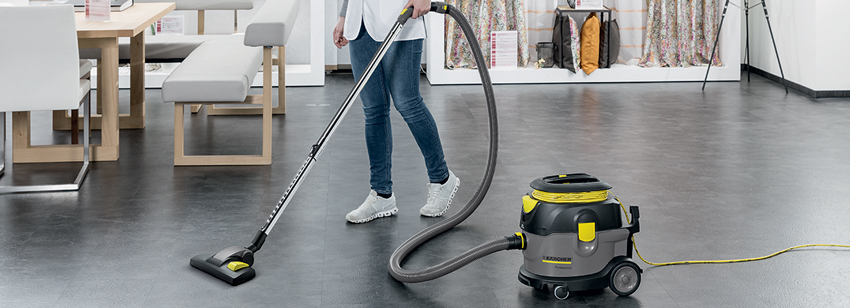
Begin with dry soil removal. Sweep or vacuum the floor to remove dust, sand, packaging debris, metal fragments, and other loose contaminants before introducing water or cleaning solution.
For large industrial areas, use a commercial sweeper, dust-control vacuum, or HEPA-equipped industrial vacuum when appropriate. Removing dry debris first prevents it from turning into slurry during wet cleaning.
4. Choose the Correct Cleaning Equipment
The equipment should match the size of the facility, floor surface, and type of contamination. Common industrial floor cleaning equipment may include:
- Walk-behind or ride-on automatic scrubbers
- Industrial vacuums and sweepers
- Rotary floor machines
- Floor scrapers and edge-cleaning tools
- Wet extraction equipment
- Pressure washers where drainage and surface conditions allow
- Commercial brushes and pads selected for the floor type
Aggressive pads, brushes, or excessive pressure can damage coatings, polished surfaces, or floor finishes. Always match the equipment and pad selection to the manufacturer’s recommendations.
5. Select a Floor-Compatible Cleaning Solution
Use a commercial cleaning solution formulated for the floor material and contaminant being removed. Oil, grease, rubber marks, food residue, mineral deposits, and general soil may require different products and dwell times.
Avoid using household chemicals or highly alkaline, acidic, or solvent-based products unless the floor manufacturer confirms compatibility. The wrong chemical can discolor the floor, soften a coating, reduce gloss, damage sealers, or create unsafe residue.
Review the product label, Safety Data Sheet, dilution ratio, ventilation requirements, and disposal instructions before use.
6. Apply the Solution and Allow Proper Dwell Time
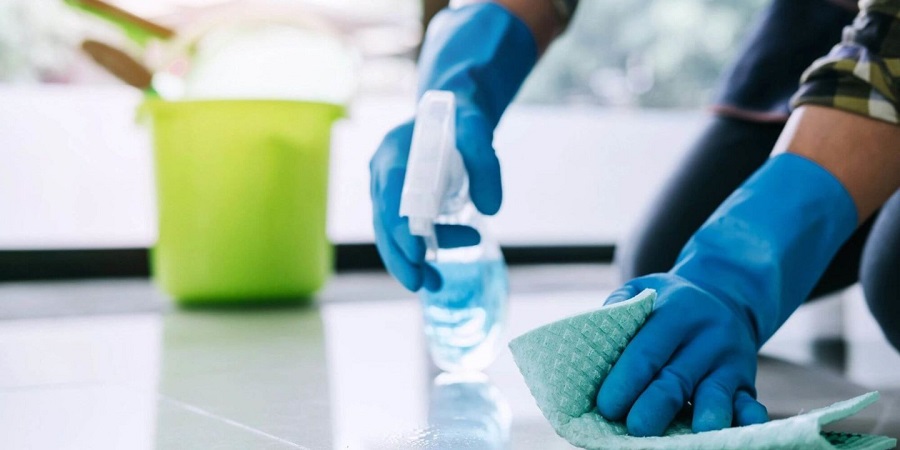
Apply the cleaning solution evenly across a manageable section of the floor. Allow enough dwell time for the solution to loosen embedded soil, grease, and residue, but do not allow it to dry on the surface.
Working in controlled sections helps maintain consistent results and prevents cleaned areas from being contaminated by nearby operations.
7. Mechanically Scrub the Floor
Mechanical scrubbing is typically more effective than manual mopping for industrial floors. Automatic scrubbers combine solution application, agitation, recovery, and drying in one process.
Use the appropriate brush or pad and make overlapping passes across the work area. Pay additional attention to forklift lanes, loading zones, production areas, entrances, and locations where oil or rubber marks accumulate.
8. Clean Edges, Corners, and Equipment Lines
Large machines often cannot reach wall edges, corners, posts, shelving supports, drains, and areas around fixed equipment. Clean these locations separately using suitable hand tools, edge machines, or compact scrubbers.
These overlooked areas can collect heavy soil and make the entire facility appear poorly maintained, even when the main floor has been cleaned.
9. Recover Residue, Rinse, and Dry the Floor
Remove the dirty solution using the recovery system on the scrubber, a wet vacuum, or approved extraction equipment. Rinse the floor when required by the cleaning product or when residue remains.
Allow the floor to dry fully before reopening the area. Confirm that no slippery residue, standing water, loose debris, or untreated contamination remains.
10. Create an Industrial Floor Maintenance Schedule
Routine maintenance reduces heavy buildup and helps prevent premature floor deterioration. The appropriate frequency depends on traffic, soil load, production activity, weather, floor type, and safety requirements.
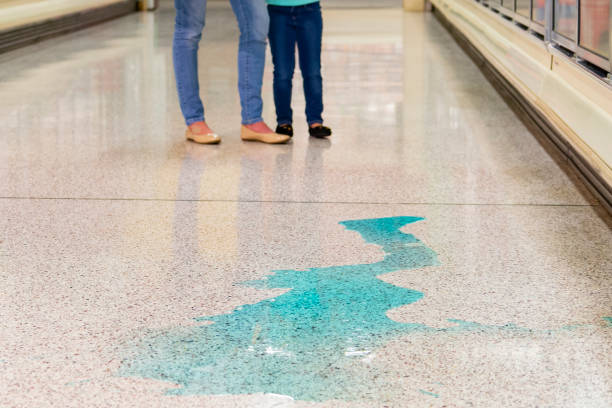
- Remove spills immediately using the facility’s approved response procedure.
- Sweep or vacuum high-traffic areas regularly.
- Use entrance matting to reduce tracked-in soil and moisture.
- Schedule mechanical scrubbing before buildup becomes severe.
- Inspect coatings, sealers, joints, cracks, and damaged areas.
- Document completed cleaning and recurring problem areas.
When Professional Industrial Floor Cleaning Is Needed
In-house maintenance may be appropriate for light dust, routine spills, and daily cleaning. Professional service may be necessary when the floor has embedded grease, heavy tire marks, extensive square footage, coating failure, concrete dusting, widespread staining, or contamination that requires specialized equipment.
TCS Floors provides nationwide industrial floor cleaning services for warehouses, factories, manufacturing facilities, distribution centers, storage facilities, and other commercial properties.
With 33+ years of commercial floor care experience, our team provides scheduled cleaning, concrete scrubbing, restoration, sealing, polishing, coatings, and recurring maintenance programs designed around facility operations.