
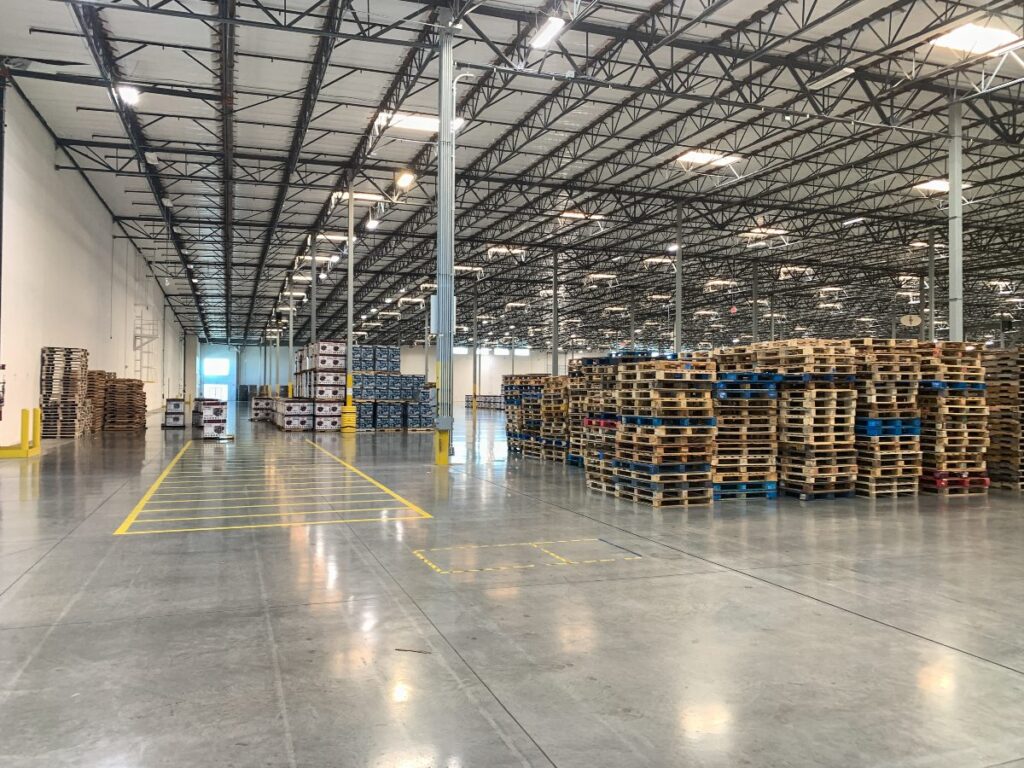
Why Industrial Floor Cleaning Regulations Matter
Industrial floor cleaning is not only about appearance. Clean, dry, and well-maintained floors help facilities reduce hazards, manage chemical residue, and support safe daily operations.
Compliance requirements vary by industry, location, cleaning method, and type of waste produced. Businesses may need to follow federal rules as well as state, local, and facility-specific requirements.
Which Regulations Apply to Industrial Floor Cleaning?
There is no single federal regulation covering every industrial floor cleaning project. Several agencies and standards may apply depending on the facility and work performed.
Occupational Safety and Health Administration
OSHA requires employers to maintain walking and working surfaces in a clean, orderly, and sanitary condition. Floors should be kept as dry as reasonably possible and free from hazards such as leaks, spills, and loose materials.
Industrial floor cleaning plans should address:
- Spills, leaks, and accumulated residue
- Wet-floor controls and warning signs
- Safe access to work areas and exits
- Cleaning equipment operation
- Personal protective equipment
- Employee exposure to cleaning chemicals
OSHA’s Hazard Communication Standard may also apply when employees work with hazardous cleaning products. Employers must provide accessible safety data sheets, proper labels, and employee training.
Sources: OSHA Walking-Working Surfaces Standard and OSHA Hazard Communication
Environmental Protection Agency
Industrial cleaning can produce wastewater, sludge, contaminated absorbents, and chemical waste. The EPA regulates certain waste under the Resource Conservation and Recovery Act and water discharges under the Clean Water Act.
Facilities may need to determine:
- Whether cleaning waste is hazardous
- How wastewater may be collected or discharged
- Whether local pretreatment requirements apply
- How chemicals, sludge, and contaminated materials should be stored
- Which records or manifests must be maintained
Cleaning wastewater should not automatically be poured into a drain, storm sewer, or outdoor area. The correct handling method depends on its contents and the facility’s permits.
Sources: EPA RCRA Overview and EPA Industrial Wastewater Guidance
Fire Codes and Flammable Materials
Some cleaning chemicals are flammable or combustible. Storage, ventilation, ignition control, and container requirements may apply.
The National Fire Protection Association develops widely used fire-safety codes. However, the NFPA is not a government regulator. Its standards become enforceable when adopted by a state, municipality, fire marshal, or another authority.
Facilities should review product safety data sheets and applicable local fire codes before storing or using flammable cleaning products.
Food and Beverage Facilities
Food manufacturing and processing facilities have additional sanitation requirements.
FDA Current Good Manufacturing Practice rules require food plants to maintain facilities in a clean and sanitary condition. USDA-regulated meat and poultry facilities may also need written Sanitation Standard Operating Procedures.
Cleaning programs in these environments may address:
- Soil and food residue removal
- Cross-contamination controls
- Drain and wastewater management
- Approved cleaning chemicals
- Cleaning schedules and documentation
- Pre-operational inspections
Requirements differ between facilities, so the cleaning plan should follow the site’s food-safety program.
Accessibility and Clear Pathways
The Americans with Disabilities Act establishes accessibility requirements, but it is not a general floor-cleanliness regulation.
Cleaning activities should still avoid blocking accessible routes, entrances, ramps, and other required pathways. Equipment, hoses, signs, and supplies should be positioned so they do not create unnecessary barriers.
State building codes, fire codes, and workplace policies may impose additional requirements for keeping pathways and exits clear.
What Can Happen When a Facility Does Not Comply?
The consequences depend on the regulation, violation, agency, and severity of the hazard. Possible outcomes include:
- Regulatory citations and fines
- Corrective-action requirements
- Delays or restrictions on certain operations
- Increased risk of employee injuries
- Cleanup and waste-disposal costs
- Legal claims following an incident
- Damage to customer and employee confidence
A cleaning contractor can support a facility’s safety program, but the facility remains responsible for determining which regulations, permits, and internal procedures apply.
How Can Businesses Support Compliance?
Document the Floor Cleaning Plan
Define which areas require cleaning, how often they should be serviced, and which methods should be used. Include procedures for spills, restricted areas, and emergency cleanup.
Review Cleaning Products
Maintain current safety data sheets and confirm that containers are properly labeled. Employees should understand the hazards, required protective equipment, and first-aid procedures.
Train Employees and Contractors
Training should match the work being performed. This may include chemical handling, equipment operation, spill response, waste collection, and control of wet work areas.
Manage Waste Correctly
Identify what the cleaning process will produce before work begins. Wastewater, sludge, oils, chemicals, and contaminated absorbents may require different handling methods.
Keep Service Records
Document cleaning dates, serviced areas, products used, reported hazards, and corrective actions. Records can support inspections, internal audits, and facility management.
Check State and Local Requirements
Federal standards are only part of the picture. State OSHA plans, sewer authorities, environmental agencies, health departments, and fire officials may enforce additional rules.
Benefits of Professional Industrial Floor Cleaning
A well-planned industrial floor cleaning program can help:
- Remove dirt, oil, rubber marks, and residue
- Keep walking and working areas easier to inspect
- Support spill and hazard-control procedures
- Reduce buildup that interferes with daily cleaning
- Preserve the appearance of commercial flooring
- Prepare floors for repairs, sealing, or coatings
- Maintain more consistent conditions across multiple locations
Nationwide Industrial Floor Cleaning Support
TCS Floors provides industrial floor cleaning and commercial floor care for warehouses, manufacturing plants, distribution centers, retail facilities, and other large properties across the United States.
Our team can coordinate services around facility schedules and site-specific procedures. However, regulatory responsibility remains with the facility, and businesses should consult their safety, environmental, or legal professionals when determining exact compliance requirements.
Frequently Asked Questions
What OSHA standards apply to industrial floor cleaning?
OSHA’s walking-working surfaces rules require employers to keep work surfaces clean, orderly, and free from recognized hazards. Hazard Communication requirements may also apply when employees use hazardous cleaning chemicals.
Do industrial cleaning employees need training?
Training requirements depend on their duties and chemical exposure. Employees may need instruction on equipment use, product hazards, personal protective equipment, spill response, and facility procedures.
Can industrial floor-cleaning wastewater go down a drain?
Not automatically. Wastewater handling depends on its contents, the facility’s permits, and local sewer or environmental requirements. The facility should confirm an approved disposal method before cleaning begins.
Does the ADA regulate floor cleanliness?
The ADA does not establish a general floor-cleanliness standard. However, cleaning activities should not block accessible routes or create barriers for people with disabilities.
How often should industrial floors be cleaned?
There is no universal schedule. Cleaning frequency should reflect traffic levels, production activity, spill risks, flooring type, sanitation requirements, and the facility’s internal safety plan.
Can a floor cleaning contractor guarantee regulatory compliance?
No contractor can guarantee a facility’s overall compliance simply by cleaning its floors. A qualified provider can follow site procedures and support safer floor conditions, but the facility must identify and manage its legal obligations.